

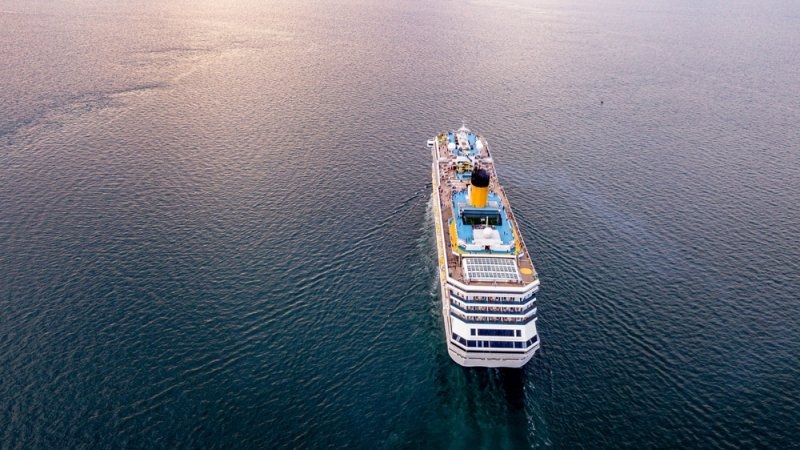
Cruises look expensive at first glance. Fancy cabins, ocean views, endless food — it adds up fast. But timing changes almost everything. Travel when crowds thin out, and prices soften, and suddenly that same cruise feels far more possible. Many travelers miss this because peak months get all the attention. Quiet periods are ignored, even though they often give better value, fewer crowds, and shorter lines. Not perfect weather every time, sure, but sometimes the trade-off is worth it. Spend less, stretch your budget further. In this blog, we will look at how to travel smart during the off-season, when cruise prices usually drop, how to find better deals, and what mistakes to avoid.
The off-season for cruises is usually the quieter travel period when demand slows down. Fewer people book trips, which pushes cruise companies to lower fares. That can mean cheaper cabins, package discounts, room upgrades, or onboard credits. Small savings stack up quickly.
The timing changes by destination. Caribbean cruises often slow down during hurricane season. Alaska cruises cool off at the edge of summer. Europe has quieter periods too, mostly outside school holidays. So, the idea is simple — travel when fewer people are rushing in.
Crowded cruises sound exciting until you are standing in long buffet lines or fighting for pool chairs. Off-season trips feel calmer. Less rushed.
Here’s what you’ll probably notice:
But it’s not all sunshine. The weather gets unpredictable. Even so, lots of travelers are fine with that if it means spending less.
Also Read: Top 16 Best Hiking Places In Olympic National Park
Shoulder season cruising sits between busy and slow travel periods. Think of it as the middle ground. Prices are lower than peak season, but conditions are usually more stable than true off-season travel.
For many people, this becomes the sweet spot.
You still get decent weather in many places, plus fewer crowds. Caribbean sailings in late spring or Mediterranean routes in early autumn often fall into this category. Things feel quieter, though not empty.
Peak season sounds attractive because everything feels lively. Yet costs climb quickly. Flights jump. Hotels before embarkation cost more. Ports feel packed.
Shoulder months usually offer:
Sometimes, paying a bit less while still getting almost everything is just smart.

Many travelers ask when is off season for cruises, but the answer depends heavily on where you want to go. One destination’s slow season may be another region’s busiest moment.
Here is a rough breakdown.
The Caribbean off-season often runs between late summer and early fall, especially around September and October. Prices tend to fall because storms become more likely.
Cruise lines still sail. Routes may shift if the weather changes. Flexible travelers often save big during this time.
Alaska tends to quiet down in May or late September. Cooler temperatures arrive, and wildlife patterns change slightly, too.
You might get lower fares and fewer crowds, though colder weather should be expected. Layers matter.
Mediterranean routes usually calm after the summer holidays end. Late autumn or early spring may bring lower demand.
Less crowding near famous places feels refreshing. Walking through ports without endless lines — surprisingly nice.
Don't Miss: How To Spend A Perfect Weekend In Sydney, Australia?
The best off-season for cruises depends on what matters most to you. Cheap prices? Good weather? Smaller crowds? You usually compromise somewhere.
Families often avoid school periods to save money. Retired travelers usually have more flexibility, which helps.
Some people hate uncertainty. Others just want a cheaper balcony room.
So, ask yourself:
Once you know what matters, choosing gets easier.
Not every cheap-looking cruise is actually a bargain. Some low fares come packed with hidden costs — Wi-Fi fees, drink packages, specialty dining, excursions.
Smart travelers compare full costs, not just headline pricing.
Looking for off-season cruise deals means checking what is included. A cruise with slightly higher pricing but free drinks or onboard credits may cost less overall.
This part confuses people.
Sometimes, early booking wins because cruise lines release discounted fares months ahead. Other times, unsold cabins drop in price near departure dates.
Flexible travelers usually benefit more from waiting. But if you want a specific cabin type or destination, early booking feels safer.
Using Leisure.com can make comparisons easier because you can track cruise options in one place instead of jumping between different booking sites.
Suggested Reading: The Cincinnati Zoo & Botanical Garden: What To Expect?
Cruises do not have to drain your savings. Timing changes the experience more than many people realize. Choosing the off-season for cruises often means lower prices, quieter ships, fewer crowds, plus better opportunities to stretch your budget. Sure, the weather may be less predictable, and a few compromises appear here or there.
Compare dates carefully, stay flexible when possible, and use platforms like Leisure.com to spot cruise options that fit both your plans and budget.
Honestly, yes. Weather can be all over the place, and travel insurance helps cover delays, changes, or even cancellations. Just make sure you actually read the policy details—coverage changes from one provider to another.
Sometimes, yes. Cruise lines often drop or cut single supplement fees during slow times. Keep an eye on seasonal promos—sometimes you can snag a cabin without paying double.
Not really. Most entertainment, dining, and onboard fun sticks around. Maybe schedules change a bit if there are fewer passengers, but overall, you’ll still have a good time.
Yes, in some cases. Weekday sailings usually aren’t as popular, so prices can dip. If you’re able to flex your dates, you can really lock in better deals.
This content was created by AI