

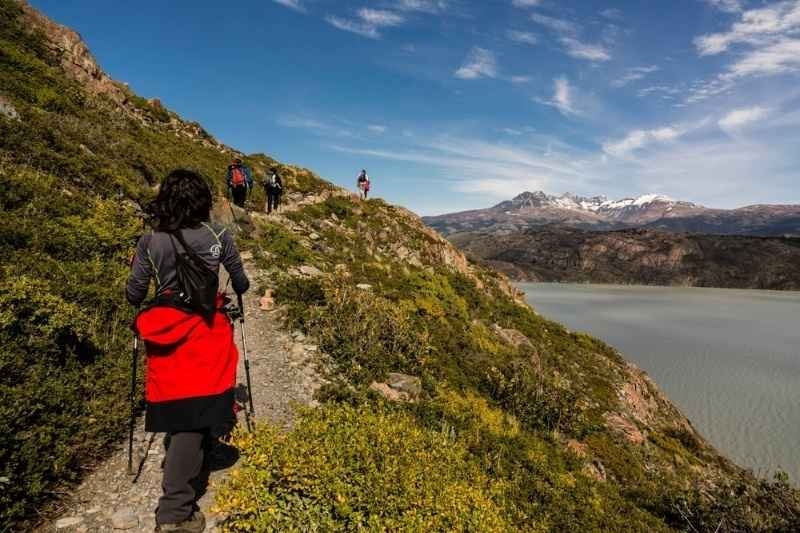
Hiking Patagonia is the ultimate test for any outdoor enthusiast. You do not just walk through a park; you navigate the raw, untamed edge of the world. This is because the region offers a massive, remote wilderness that forces you to disconnect from your screen and actually touch the earth. Therefore, it is essential to plan your route correctly to avoid being stranded in the middle of nowhere.
In this blog, you will understand how to choose your path and prepare for the most iconic Patagonia hiking trails without risking your safety.
Must Read: The 8 Awesome Facts About The Appalachian Mountains
Travelers flock to Patagonia for the raw, brutal connection to nature that you simply cannot find elsewhere. The region sits at the edge of South America, far from the suffocating noise of modern cities. It creates a massive, frozen landscape packed with jagged ice-blue glaciers, towering granite spires, and lakes that mirror the dark, dramatic skies.
The experience hits harder than simple exercise. It forces you to kill your work notifications and stare down your own physical limits in one of the world's last true wilderness frontiers. Whether you are an experienced trekker or a casual walker, the sheer scale of the mountains and the unique, endemic wildlife make every single mile feel like a profound accomplishment that stays with you forever.
Top Pick: Exploring the Beauty of Bavarian Alps: An Adventurer's Dream
Check the following list to understand which popular hikes in Patagonia belong on your bucket list:
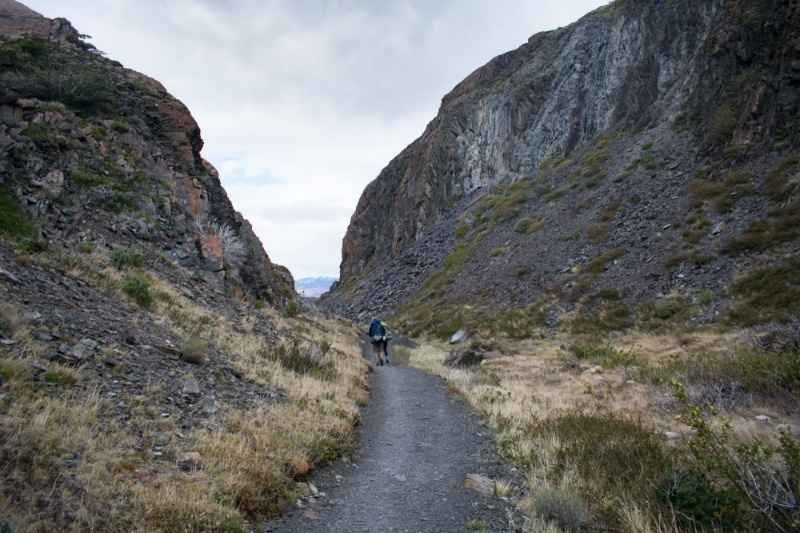
This is the absolute king of trekking. You traverse deep valleys, stand at the foot of massive granite towers, and stare directly into the face of the Grey Glacier. It is a moderate-to-challenging route that packs the best scenery into a four-day window.
This hike takes you from the edge of town right to the base of the iconic Mount Fitz Roy. The trail is mostly gentle, but the final vertical wall will crush your lungs. You reach the top and stare across an electric-blue lake at one of the world’s most jagged peaks.
You walk through fairy-tale beech forests and wind-swept canyons to reach a glacial lake. Massive granite spires, including Cerro Torre, loom over the ice. It is a stunning, iconic panorama that looks like it belongs on another planet.
As part of the W Trek, this trail brings you into a mountain amphitheater. You hear the thunder of avalanches from the hanging glaciers. It is easily the most dynamic and powerful day of any trek in the national park.
Located at the end of the world, this trail runs along the Beagle Channel. You get views of snow-capped mountains across the water. It is not overly technical, making it a perfect, scenic walk through a landscape of deep forests and peat bogs.
Check the following list to understand how to map your adventure:
You must base yourself in towns like Puerto Natales or El Chaltén. These are the engines of Patagonia hiking tours. They act as central hubs where you grab updated trail maps, talk to rangers, and confirm current weather conditions before you step off the pavement.
Do not try to wing it. You must register at the ranger station for every mountain trail you intend to hit. This forces you to acknowledge the difficulty of the route and ensures the park staff knows exactly where you are if you do not return on time.
The wind in Patagonia can literally knock you off your feet. You must check wind speeds and temperature drops daily. Local websites and weather apps specific to the Southern Andes provide the only reliable data you need to adjust your plans.
You should tap into forums for trekkers. These communities share real-time updates on trail closures or gear requirements. This gives you a massive advantage by letting you learn from the mistakes of people who walked the trail yesterday.
If you want the best routes without the logistical headache, look for established Patagonia hiking tours. These groups handle the permits and logistics. They ensure you stay on the path while providing the technical support you need for the harder, multi-day circuits.
The main factors to consider regarding your safety in the region are explained below:
Patagonia weather changes in seconds. You must bring high-quality, layered gear. Failing to protect yourself against sub-zero winds and sudden rain can lead to hypothermia even in the middle of the trekking season.
You do not leave the trail for a better photo. Straying from the established route destroys the fragile ecosystem and puts you at a massive risk of getting lost. You must respect the park boundaries to keep yourself and the environment intact.
There is no hospital at the top of the mountain. You must carry a solid first-aid kit and have a plan for evacuation. If you are doing a long-range trek, ensure your travel insurance explicitly covers medical helicopter rescue.
You are in puma country. You do not feed animals or wander off alone at dusk. Keep your distance, stay alert, and follow the specific safety instructions provided by your guides or park rangers.
Trying to navigate the southern wilderness without a clear plan is an easy way to ruin your trip. Implementing a structured approach to choosing your Patagonia hiking trails is non-negotiable for a successful adventure. You turn an intimidating, raw wilderness into a manageable and unforgettable expedition by researching popular hikes in Patagonia and understanding your physical capability.
No. Some circuits demand high stamina, but the region packs in plenty of trails for everyone. Many paths serve up world-class scenery through short day hikes that anyone with basic fitness can handle without special training.
Campgrounds and mountain shelters book out months ahead. You must secure your spots through the official national park websites or verified tour companies long before you land in the region. Do not show up hoping to find a bed on the spot.
Guides are not legally required for marked trails, but they slash your logistical headache. If you plan to head into remote, unmarked territory, a guide provides the local expertise and emergency backup that could actually save your life.
This content was created by AI